
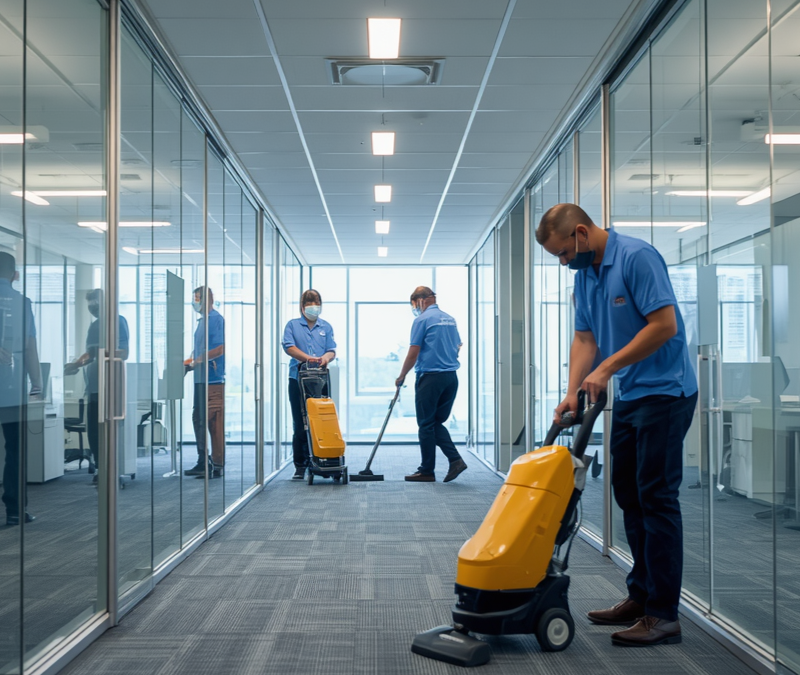
Introduction
Every successful business depends on more than its products and services. The workplace itself plays a major role in productivity, employee wellbeing, customer experience, and daily operations. A clean office, well-maintained equipment, secure premises, and properly managed utilities all contribute to a business that runs smoothly.
This is where Facility Management Services become essential.
Facility management is the professional management of buildings, infrastructure, people, and support services that keep an organization functioning efficiently. It combines housekeeping, technical maintenance, security, landscaping, pest control, manpower support, and deep cleaning into one organized system.
Whether you manage a corporate office, manufacturing plant, warehouse, educational institute, hospital, retail outlet, or commercial building, investing in professional Facility Management Services helps reduce operational risks while improving workplace standards.
Businesses across Pune and Maharashtra are increasingly choosing integrated facility management because it allows them to focus on their core operations while experienced professionals manage the workplace environment.
This guide explains what facility management involves, why it matters, common business challenges, and how organizations can build safer, cleaner, and more efficient workplaces.
What Are Facility Management Services?
Facility Management Services (FMS) are a collection of professional support services that ensure buildings and workplaces remain clean, safe, functional, and well-maintained throughout their lifecycle.
Rather than hiring multiple vendors for different tasks, businesses often choose one facility management partner to manage all workplace operations under a single service agreement.
Core Services Included
Housekeeping Services
Industrial Housekeeping
Corporate Housekeeping
Technical Maintenance
Security Services
Deep Cleaning Services
Pest Control Services
Landscaping Services
Manpower Solutions
These services work together to create an organized and professionally managed workplace.
Why Facility Management Is Important
Many companies view facility management as an expense. In reality, it is an investment in operational efficiency.
A professionally managed facility helps businesses:
- Maintain workplace hygiene
- Improve employee safety
- Extend the life of assets
- Reduce maintenance costs
- Create a positive customer impression
- Meet compliance requirements
- Increase employee productivity
When facilities are neglected, small problems often develop into expensive operational issues.
Types of Facility Management Services
Different industries require different facility solutions. A customized approach delivers better results than a one-size-fits-all model.
1. Corporate Facility Management
Corporate offices require consistent cleanliness, professional presentation, and uninterrupted support services.
Typical services include:
- Reception housekeeping
- Workstation cleaning
- Meeting room preparation
- Pantry management
- Restroom hygiene
- Glass cleaning
- Carpet maintenance
- Waste collection
A clean corporate environment improves employee experience while creating a strong impression on visitors and clients.
2. Industrial Facility Management
Manufacturing facilities have different priorities compared to offices. Production areas require safety-focused housekeeping and technical support.
Industrial services generally include:
- Factory housekeeping
- Warehouse cleaning
- Machine-area cleaning
- Oil spill management
- Industrial waste handling
- Floor scrubbing
- High-pressure cleaning
- Safety zone maintenance
Industrial Facility Management supports both productivity and workplace safety.
3. Institute Facility Management
Educational institutions require daily maintenance across multiple buildings and shared spaces.
Coverage includes:
- Classrooms
- Laboratories
- Libraries
- Administrative offices
- Auditoriums
- Washrooms
- Campus common areas
Proper Institute Housekeeping creates healthier learning environments for students and staff.
4. Commercial Facility Management
Commercial properties receive heavy daily foot traffic and require continuous upkeep.
Examples include:
- Shopping complexes
- Business parks
- Retail outlets
- Commercial towers
- Banks
- Showrooms
These facilities require frequent housekeeping, security, technical maintenance, and public-area cleaning.
Common Challenges Businesses Face
Every organization faces facility-related challenges regardless of its size. The difference lies in how effectively they are managed.
Challenge 1: Inconsistent Housekeeping Standards
One of the most common workplace issues is inconsistent cleaning quality. Different shifts often produce different results, leaving some areas neglected.
Common causes
- Untrained staff
- No cleaning checklist
- Poor supervision
- Lack of accountability
- Irregular inspections
Business impact
Employees notice poor cleanliness quickly. Clients notice it even faster. Inconsistent housekeeping affects brand perception and workplace morale.
Challenge 2: Rising Maintenance Costs
Ignoring preventive maintenance leads to frequent equipment failures.
Common examples include:
- HVAC breakdowns
- Plumbing leaks
- Electrical faults
- Damaged flooring
- Water seepage
Businesses often spend significantly more on emergency repairs than routine maintenance.
Challenge 3: Multiple Vendors, Multiple Problems
Many companies hire separate vendors for housekeeping, security, maintenance, and landscaping.
This creates challenges such as:
| Problem | Result |
|---|---|
| Multiple invoices | Administrative burden |
| Different supervisors | Poor coordination |
| Inconsistent quality | Service gaps |
| Communication delays | Slow issue resolution |
Integrated Facility Management Services simplify operations through one coordinated team.
Challenge 4: Employee Safety Risks
A poorly maintained workplace increases accident risks.
Examples include:
- Wet floors
- Cluttered walkways
- Dust accumulation
- Poor lighting
- Overflowing waste bins
These issues can lead to injuries, absenteeism, and compliance concerns.
Challenge 5: Poor Asset Management
Buildings contain valuable assets including flooring, furniture, elevators, HVAC systems, lighting, and electrical infrastructure.
Without routine maintenance:
- Assets deteriorate faster.
- Repair costs increase.
- Equipment life reduces.
- Energy consumption rises.
Facility management protects long-term investments.
Business Impact of Poor Facility Management
Poor workplace management affects every department—not only housekeeping.
Reduced Employee Productivity
Employees perform better in clean, organized environments.
Poor facilities often contribute to:
- Workplace distractions
- Low morale
- Higher absenteeism
- Reduced efficiency
A well-managed workplace supports employee satisfaction and better performance.
Negative Customer Experience
Your facility represents your brand.
Imagine a client visiting your office and finding:
- Dusty reception
- Dirty washrooms
- Overflowing bins
- Stained flooring
Even excellent products cannot compensate for a poor first impression.
Professional Corporate Housekeeping helps maintain consistent workplace presentation.
Compliance & Audit Risks
Many industries must comply with hygiene and safety standards.
Poor facility management may result in:
- Failed inspections
- Safety observations
- Regulatory penalties
- Customer complaints
- Operational delays
Routine inspections and documented SOPs reduce compliance risks.
Increased Operational Costs
Neglected facilities create hidden expenses.
| Poor Practice | Cost Impact |
|---|---|
| Delayed maintenance | Expensive repairs |
| Poor cleaning | Floor restoration |
| HVAC neglect | Higher energy bills |
| Water leakage | Structural damage |
| Dust buildup | Equipment wear |
Preventive maintenance is usually more economical than corrective maintenance.
The Connection Between Housekeeping & Facility Management
Many people think housekeeping and facility management are identical. They are closely related but not the same.
| Housekeeping Services | Facility Management Services |
|---|---|
| Cleaning | Cleaning + maintenance |
| Dusting | Technical support |
| Washroom hygiene | Security management |
| Floor care | Asset maintenance |
| Waste collection | Landscaping |
| Pantry cleaning | Integrated workplace operations |
Housekeeping is one important part of a complete Facility Management Services program.
Industries That Need Facility Management Services
Professional facility management benefits organizations of every size.
Manufacturing
- Production housekeeping
- Machine-area cleaning
- Waste management
Corporate Offices
- Office housekeeping
- Pantry management
- Reception maintenance
Warehouses
- Floor scrubbing
- Rack cleaning
- Loading dock maintenance
Educational Institutes
- Classroom cleaning
- Laboratory hygiene
- Campus maintenance
Healthcare Facilities
- Sanitization
- Infection-control cleaning
- Biomedical waste support
Commercial Buildings
- Public-area cleaning
- Security
- Technical maintenance
- Landscape upkeep
Each industry requires customized manpower, equipment, and cleaning schedules rather than standardized services.
Practical Solutions for Effective Facility Management Services
A successful facility is not maintained by cleaning alone. It requires planning, trained manpower, preventive maintenance, regular inspections, and clear operating procedures. Businesses that adopt a structured facility management system experience fewer disruptions, lower maintenance costs, and better workplace satisfaction.
1. Conduct a Complete Facility Assessment
Before designing a facility management plan, evaluate the entire property.
Areas to assess
- Building size and layout
- Employee strength
- Operational shifts
- Production areas
- Office spaces
- Utility rooms
- Parking facilities
- Washrooms and pantries
- HVAC and electrical infrastructure
A detailed assessment helps determine the required manpower, equipment, cleaning frequency, and maintenance schedule.
Best practice
Review the facility every 6–12 months to accommodate business expansion, new equipment, or operational changes.
2. Develop Zone-Based Cleaning Plans
Large facilities become difficult to manage when every area follows the same cleaning schedule. Divide the property into operational zones.
| Zone | Recommended Frequency |
|---|---|
| Reception & lobby | Multiple times daily |
| Office workstations | Daily |
| Conference rooms | Before & after use |
| Production floor | Daily |
| Warehouse | Daily / Weekly |
| Washrooms | Hourly inspections |
| Pantry & cafeteria | Daily |
| Staircases & corridors | Daily |
| Parking area | Weekly |
| Deep cleaning | Monthly / Quarterly |
Zone-based planning improves accountability and ensures no critical areas are overlooked.
3. Implement Standard Operating Procedures (SOPs)
Consistency is one of the biggest challenges in housekeeping and maintenance. Standard Operating Procedures ensure every task is performed correctly regardless of the shift or staff member.
SOPs should include
- Floor cleaning methods
- Chemical dilution ratios
- Restroom sanitization process
- Waste collection procedures
- Glass cleaning techniques
- Machine-area safety guidelines
- Deep cleaning protocols
- Emergency spill response
Documented procedures also simplify employee training and audit compliance.
4. Use the Right Cleaning Equipment
Professional Facility Management Services rely on specialized equipment that improves productivity and cleaning quality.
Common equipment
- Ride-on scrubber dryers
- Walk-behind floor scrubbers
- Industrial sweepers
- Wet & dry vacuum cleaners
- High-pressure jet machines
- Carpet extraction machines
- Single-disc polishing machines
Using appropriate machinery reduces manual effort and delivers better results across large commercial and industrial spaces.
5. Train Housekeeping & Maintenance Teams
People are the most valuable part of any facility management program. Even the best equipment cannot replace skilled and responsible staff.
Training topics
- Workplace safety
- PPE usage
- Chemical handling
- Machine operation
- Customer etiquette
- Waste segregation
- Fire safety awareness
- Emergency response
Continuous training helps maintain service quality and reduces workplace incidents.
Industry Best Practices in Facility Management
Organizations with high-performing facilities follow structured operational standards rather than reactive maintenance.
Preventive Maintenance Instead of Reactive Repairs
Waiting until equipment fails is expensive. Preventive maintenance focuses on identifying issues before they become operational problems.
Examples
| Preventive Action | Business Benefit |
|---|---|
| HVAC servicing | Better air quality |
| Electrical inspection | Reduced downtime |
| Plumbing checks | Prevent water damage |
| Floor maintenance | Longer flooring life |
| Lift inspection | Improved safety |
| Generator servicing | Reliable backup power |
Preventive maintenance protects assets while reducing emergency repair costs.
Digital Inspection & Quality Audits
Modern facility management uses inspection systems to monitor service quality.
Daily inspection checklist
- Floors clean
- Washrooms sanitized
- Dust-free workstations
- Waste bins emptied
- Glass cleaned
- Consumables refilled
- Pantry maintained
- Odor control completed
Quality audits help supervisors identify recurring issues before they affect employees or visitors.
Color-Coded Cleaning System
Cross-contamination is a common hygiene risk. Color-coded tools improve sanitation standards.
| Color | Area |
|---|---|
| Blue | Office & reception |
| Red | Washrooms |
| Green | Pantry & cafeteria |
| Yellow | High-hygiene areas |
Separate mops, cloths, and buckets should be used for each zone.
Sustainable Facility Management
Businesses are increasingly adopting environmentally responsible cleaning practices.
Sustainable initiatives
- Microfiber cleaning systems
- Water-saving equipment
- Energy-efficient lighting
- Waste segregation
- Recycling programs
- Eco-friendly cleaning chemicals
These practices reduce environmental impact while supporting corporate sustainability goals.
Step-by-Step Facility Management Implementation
A structured implementation process creates measurable improvements across the workplace.
Step 1: Understand Business Requirements
Every industry has different operational priorities.
Manufacturing focuses on
- Machine cleanliness
- Production safety
- Industrial waste management
Corporate offices focus on
- Employee comfort
- Reception presentation
- Meeting room readiness
Educational institutes focus on
- Classroom hygiene
- Campus cleanliness
- Washroom maintenance
The service model should reflect operational needs rather than offering identical solutions to every client.
Step 2: Estimate Manpower Requirements
Staffing depends on:
- Total square footage
- Number of employees
- Shift operations
- Visitor footfall
- Cleaning frequency
- Industry type
Proper manpower planning prevents both understaffing and unnecessary labor costs.
Step 3: Schedule Daily Operations
An organized daily schedule keeps facilities functioning efficiently.
Morning
- Entrance cleaning
- Reception preparation
- Washroom sanitization
- Pantry setup
Throughout the day
- Waste collection
- Spot cleaning
- Washroom inspections
- Common-area maintenance
Evening
- Floor scrubbing
- Workstation cleaning
- Deep dusting
- Consumable replenishment
Scheduling reduces disruption to business operations.
Step 4: Monitor Performance with KPIs
Key Performance Indicators help measure service quality objectively.
Common KPIs
| KPI | Purpose |
|---|---|
| Cleaning quality score | Service consistency |
| Complaint response time | Customer satisfaction |
| Attendance | Workforce reliability |
| Audit score | Compliance performance |
| Equipment uptime | Maintenance efficiency |
| Consumable usage | Inventory control |
Monthly reviews encourage continuous improvement.
Deep Cleaning Services Within Facility Management
Routine housekeeping removes visible dirt, while Deep Cleaning Services target areas that accumulate hidden contamination over time.
Areas included in deep cleaning
- Ceiling dust removal
- Lighting fixtures
- HVAC vents
- Wall washing
- Machine detailing
- Floor polishing
- Carpet shampooing
- Toilet descaling
- Kitchen degreasing
- Glass façade cleaning
Deep cleaning should be planned during weekends, shutdown periods, or low-production hours to minimize operational disruption.
Technical Maintenance: A Core Facility Management Function
Clean buildings still require properly functioning infrastructure. Technical maintenance ensures that essential systems remain reliable.
Services include
Electrical Maintenance
- Lighting inspection
- Panel cleaning
- Wiring checks
- Emergency lighting testing
Plumbing Maintenance
- Leak detection
- Drain cleaning
- Water pressure inspection
- Fixture replacement
HVAC Maintenance
- Filter replacement
- Duct cleaning
- Cooling performance checks
- Preventive servicing
Civil Maintenance
- Wall repairs
- Flooring restoration
- Painting touch-ups
- Ceiling maintenance
Integrating technical maintenance with housekeeping creates a complete workplace management solution.
Security Services & Workplace Safety
Security is closely connected with facility management because both protect people and property.
Security responsibilities include
- Visitor management
- Access control
- CCTV monitoring
- Emergency response
- Fire safety support
- Patrol services
A coordinated approach between housekeeping, maintenance, and security improves workplace safety during both routine operations and emergencies.
Manpower Solutions for Facility Operations
Many organizations struggle with recruiting and retaining reliable support staff. Professional manpower solutions simplify workforce management.
Typical staffing includes
- Housekeeping associates
- Pantry staff
- Office boys
- Machine cleaners
- Gardeners
- Supervisors
- Maintenance technicians
- Security personnel
Outsourcing manpower reduces recruitment, payroll administration, and absenteeism challenges.
Preventive Maintenance Strategies
Preventive maintenance extends the life of buildings and equipment while improving operational efficiency.
Daily preventive tasks
- Dust removal
- Floor inspection
- Washroom checks
- Waste segregation
- Water leakage reporting
Weekly tasks
- Glass cleaning
- Staircase scrubbing
- Warehouse dusting
- Machine exterior cleaning
Monthly tasks
- HVAC inspection
- Floor polishing
- Plumbing inspection
- Electrical testing
- Pest monitoring
Quarterly tasks
- Deep cleaning
- High-level dust removal
- Façade cleaning
- Comprehensive facility audit
Regular maintenance is always more cost-effective than emergency restoration.
Long-Term Benefits of Professional Facility Management Services
Organizations that invest in structured Facility Management Services often achieve long-term operational advantages.
Improved workplace safety
Cleaner pathways, maintained equipment, and regular inspections reduce accidents.
Better employee wellbeing
A hygienic workplace contributes to higher morale, lower absenteeism, and greater employee satisfaction.
Lower operating costs
Preventive maintenance minimizes expensive repairs and extends asset life.
Stronger brand image
Clients, investors, and visitors judge businesses by the condition of their facilities.
Simplified operations
One integrated service partner improves coordination between housekeeping, maintenance, security, and manpower.
Why Professional Facility Management Services Matter
Many businesses begin with an in-house housekeeping or maintenance team. As the organization grows, managing multiple support functions becomes increasingly complex. Recruitment, staff training, attendance, vendor coordination, equipment maintenance, quality inspections, and compliance all demand time and dedicated supervision.
Professional Facility Management Services solve these challenges by bringing every workplace support function under one structured management system. Instead of coordinating different vendors for housekeeping, security, technical maintenance, landscaping, and deep cleaning, businesses work with a single experienced partner that delivers consistent service standards.
The value of facility management is not measured only by cleanliness—it is reflected in safer workplaces, reduced downtime, improved employee experience, and lower operational costs.
Key Advantages of Professional Facility Management
1. Single Point of Responsibility
Working with one facility management company eliminates the complexity of managing multiple contractors.
Benefits include:
- One service agreement
- One reporting system
- Faster issue resolution
- Better coordination across departments
- Consistent quality standards
This approach saves administrative time while improving accountability.
2. Trained & Verified Workforce
Professional facility management providers recruit, verify, train, and supervise their workforce before deployment.
A trained team understands:
- Industrial safety practices
- Cleaning SOPs
- Chemical handling
- Customer etiquette
- Emergency procedures
- Equipment operation
This reduces workplace risks and improves service consistency.
3. Better Compliance & Documentation
Businesses across manufacturing, healthcare, education, logistics, and commercial sectors frequently undergo internal and external audits.
Professional Facility Management Services maintain records such as:
- Attendance registers
- Cleaning schedules
- Inspection reports
- Maintenance logs
- Equipment servicing records
- Safety checklists
Proper documentation supports regulatory compliance and quality management systems.
4. Improved Asset Life
Every building contains valuable physical assets.
These include:
- Flooring
- HVAC systems
- Electrical infrastructure
- Furniture
- Plumbing
- Elevators
- Glass partitions
- Office equipment
Routine maintenance and preventive cleaning help extend the lifespan of these assets while reducing repair expenses.
Choosing the Right Facility Management Company
Selecting the right service provider has a direct impact on workplace efficiency. Price should never be the only deciding factor. Experience, manpower quality, supervision, equipment, and service processes matter equally.
Evaluation Checklist
| Evaluation Criteria | Why It Matters |
|---|---|
| Industry experience | Better understanding of operational needs |
| Trained manpower | Consistent service quality |
| Site supervision | Daily quality monitoring |
| Modern equipment | Faster & effective cleaning |
| Technical support | Preventive maintenance capability |
| Security services | Integrated workplace management |
| Customized SOPs | Industry-specific operations |
| Quality audits | Measurable performance |
A reliable partner should be able to customize services according to your facility rather than offering identical solutions to every client.
How Arise Facility Solutions Helps
Arise Facility Solutions provides professional Facility Management Services for corporate offices, manufacturing industries, warehouses, educational institutes, commercial buildings, residential complexes, and industrial facilities across Pune and nearby regions.
The company’s approach focuses on creating clean, safe, productive, and professionally managed workplaces through customized service plans and trained manpower.
Our Core Services
Corporate Housekeeping Services
Maintaining a professional office environment through:
- Reception cleaning
- Workstation housekeeping
- Meeting room preparation
- Pantry management
- Washroom hygiene
- Carpet and glass cleaning
Industrial Housekeeping Services
Supporting factories and warehouses with:
- Production floor cleaning
- Machine-area housekeeping
- Oil spill response
- Industrial waste management
- Warehouse maintenance
- Floor scrubbing
Deep Cleaning Services
Detailed cleaning for:
- Offices
- Industrial facilities
- Educational institutes
- Commercial buildings
- Restrooms
- Cafeterias
- High-touch surfaces
Technical Maintenance Services
Preventive maintenance covering:
- Electrical systems
- Plumbing
- HVAC
- Civil repairs
- Lighting
- Utility infrastructure
Integrated Facility Management Services
Businesses looking for a complete workplace solution can combine:
- Housekeeping
- Security
- Technical maintenance
- Pest control
- Landscaping
- Pantry management
- Manpower solutions
This integrated model simplifies operations while improving service consistency.
Industries We Serve
Professional facility management is valuable across diverse sectors.
Corporate Offices
Administrative buildings, IT parks, and business centers.
Manufacturing Units
Production facilities, engineering plants, and industrial units.
Warehouses & Logistics
Distribution centers, logistics hubs, and storage facilities.
Educational Institutes
Schools, colleges, universities, and training centers.
Commercial Buildings
Retail spaces, shopping complexes, and commercial towers.
Healthcare Facilities
Hospitals, clinics, laboratories, and medical centers.
Every industry receives a customized facility management plan based on operational requirements, workforce size, compliance needs, and cleaning frequency.
Best Practices for Business Owners & Facility Managers
If you’re planning to improve workplace operations, begin with these practical steps.
Daily Best Practices
- Inspect washrooms every hour.
- Empty waste bins before overflow.
- Maintain clean entrance areas.
- Monitor pantry hygiene.
- Report maintenance issues immediately.
- Keep emergency exits obstruction-free.
Weekly Best Practices
- Deep clean common areas.
- Inspect plumbing fixtures.
- Dust warehouse racks.
- Review housekeeping quality scores.
- Test emergency lighting.
- Clean glass partitions.
Monthly Best Practices
- Service HVAC filters.
- Polish high-traffic flooring.
- Audit cleaning chemicals.
- Review manpower attendance.
- Conduct safety inspections.
- Evaluate vendor performance.
Small preventive actions create significant long-term operational benefits.
The Future of Facility Management
Workplaces continue to evolve with higher expectations for hygiene, sustainability, employee wellbeing, and operational efficiency. Modern facility management is moving beyond traditional cleaning toward integrated workplace solutions that combine people, technology, preventive maintenance, and measurable service quality.
Organizations that invest in professional Facility Management Services are better positioned to maintain healthier workplaces, improve employee satisfaction, reduce maintenance costs, and create positive experiences for customers and visitors.
Conclusion
A well-managed facility supports every part of a business. Clean workplaces improve productivity, preventive maintenance protects valuable assets, technical support reduces downtime, and integrated services simplify daily operations.
Whether you operate a corporate office, factory, warehouse, educational institute, or commercial building, professional Facility Management Services provide the structure needed to maintain consistent quality and workplace safety.
Arise Facility Solutions delivers customized housekeeping, maintenance, security, manpower, and integrated facility management services designed to help businesses maintain clean, safe, and professionally managed environments across Pune and surrounding regions.
Frequently Asked Questions (15 FAQs)
1. What are Facility Management Services?
Facility Management Services include housekeeping, technical maintenance, security, landscaping, pest control, manpower solutions, and workplace support services that keep buildings safe and operational.
2. Why are Facility Management Services important?
They improve workplace hygiene, employee safety, asset maintenance, operational efficiency, and customer experience while reducing long-term maintenance costs.
3. What is the difference between Housekeeping and Facility Management?
Housekeeping focuses on cleaning, while Facility Management includes housekeeping, maintenance, security, technical services, landscaping, and overall building operations.
4. Which industries require Facility Management Services?
Manufacturing, corporate offices, warehouses, healthcare, educational institutes, retail, hospitality, and commercial buildings all benefit from facility management.
5. What is Integrated Facility Management?
Integrated Facility Management combines multiple workplace services under one service provider for better coordination and consistent quality.
6. How often should commercial buildings schedule deep cleaning?
Most commercial facilities should schedule deep cleaning monthly or quarterly depending on foot traffic and operational requirements.
7. What is included in Corporate Housekeeping Services?
Reception cleaning, workstation housekeeping, pantry management, washroom sanitation, meeting room cleaning, carpet care, and glass cleaning.
8. What is Industrial Housekeeping?
Industrial Housekeeping focuses on factories, warehouses, production areas, machine cleaning, floor maintenance, and industrial waste management.
9. How does preventive maintenance reduce costs?
Routine inspections identify problems early, reducing emergency repairs, equipment failures, and costly operational downtime.
10. Do Facility Management Services include technical maintenance?
Yes. Professional providers often offer electrical, plumbing, HVAC, civil, and utility maintenance as part of integrated services.
11. What are Deep Cleaning Services?
Deep Cleaning removes accumulated dirt, grease, bacteria, and dust from hard-to-reach areas including ceilings, walls, machinery, vents, and flooring.
12. How do Facility Management Services improve employee productivity?
A clean, organized, and well-maintained workplace reduces distractions, improves comfort, supports employee wellbeing, and creates a better working environment.
13. Why should businesses outsource Facility Management?
Outsourcing provides trained manpower, professional supervision, quality audits, modern equipment, and reduced administrative workload.
14. How is quality measured in Facility Management?
Quality is measured through inspections, cleaning checklists, response time, audit scores, customer feedback, attendance, and preventive maintenance records.
15. Why choose Arise Facility Solutions?
Arise Facility Solutions offers customized Facility Management Services, Industrial Housekeeping, Corporate Housekeeping, Deep Cleaning, Technical Maintenance, Security, and Integrated Facility Management tailored to business needs